Laurie's Blogs.

Jul 2026
Exercise Alone Can Impact Your Dog-Bod in Just 8 Weeks!
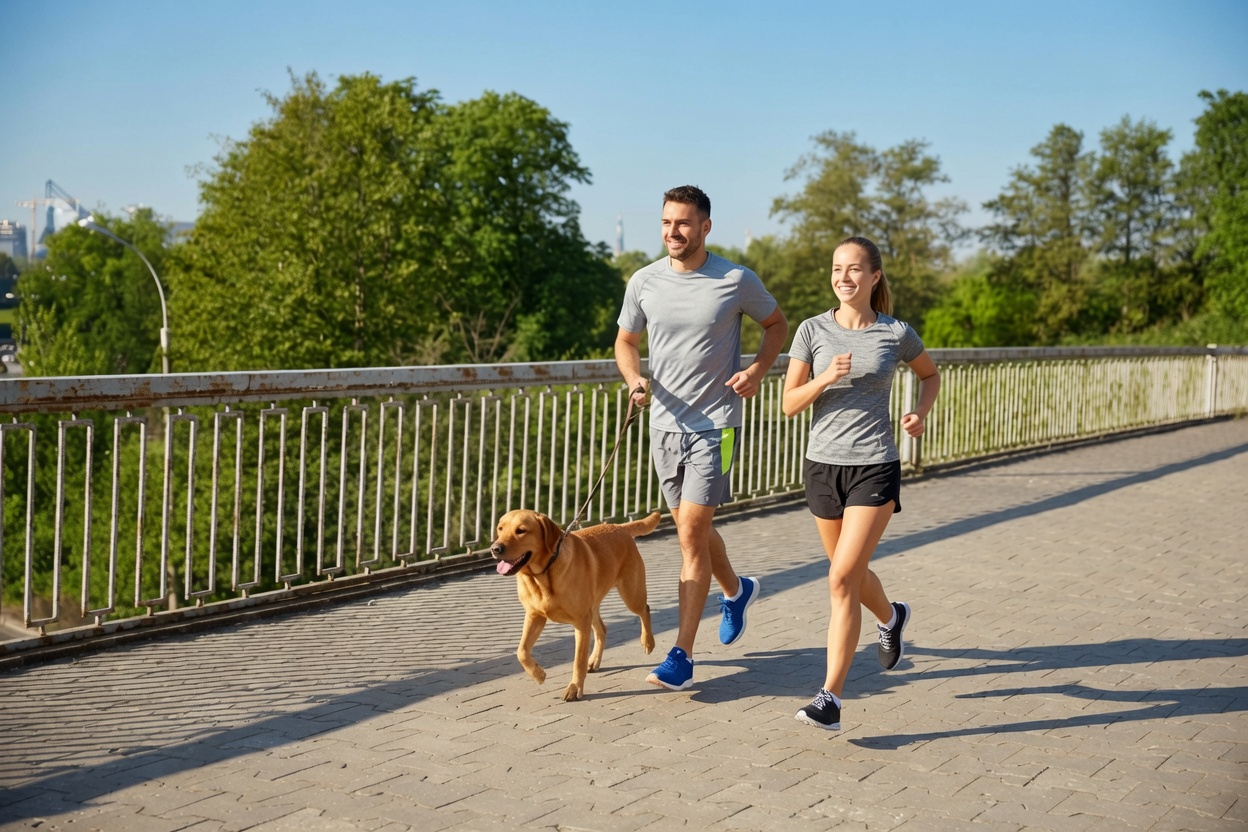
If you work in canine rehabilitation, you already know that overweight and obese dogs are a daily reality in practice. We see the joint issues, impaired mobility, and slower recoveries in this patient subset. Diet is usually the headline for weight management, but a recent study give the story as to the effects of structured physical exercise alone!
Published in BMC Veterinary Research (2024), researchers Josefin Söder and colleagues set out to test what happens when dogs exercise without any changes to their food intake. The results are practical, enlightening, and directly relevant to the work we do in rehab.
The Study: Simple, Real-World Design
Twenty-one healthy dogs of various breeds and sizes joined their owners for an 8-week program. There was no caloric restriction — owners fed as usual. The program combined:
• Jogging (owners picked their own target distance: either 2 km or 5–10 km)
• Once-weekly circuit-style strength and agility exercises done together
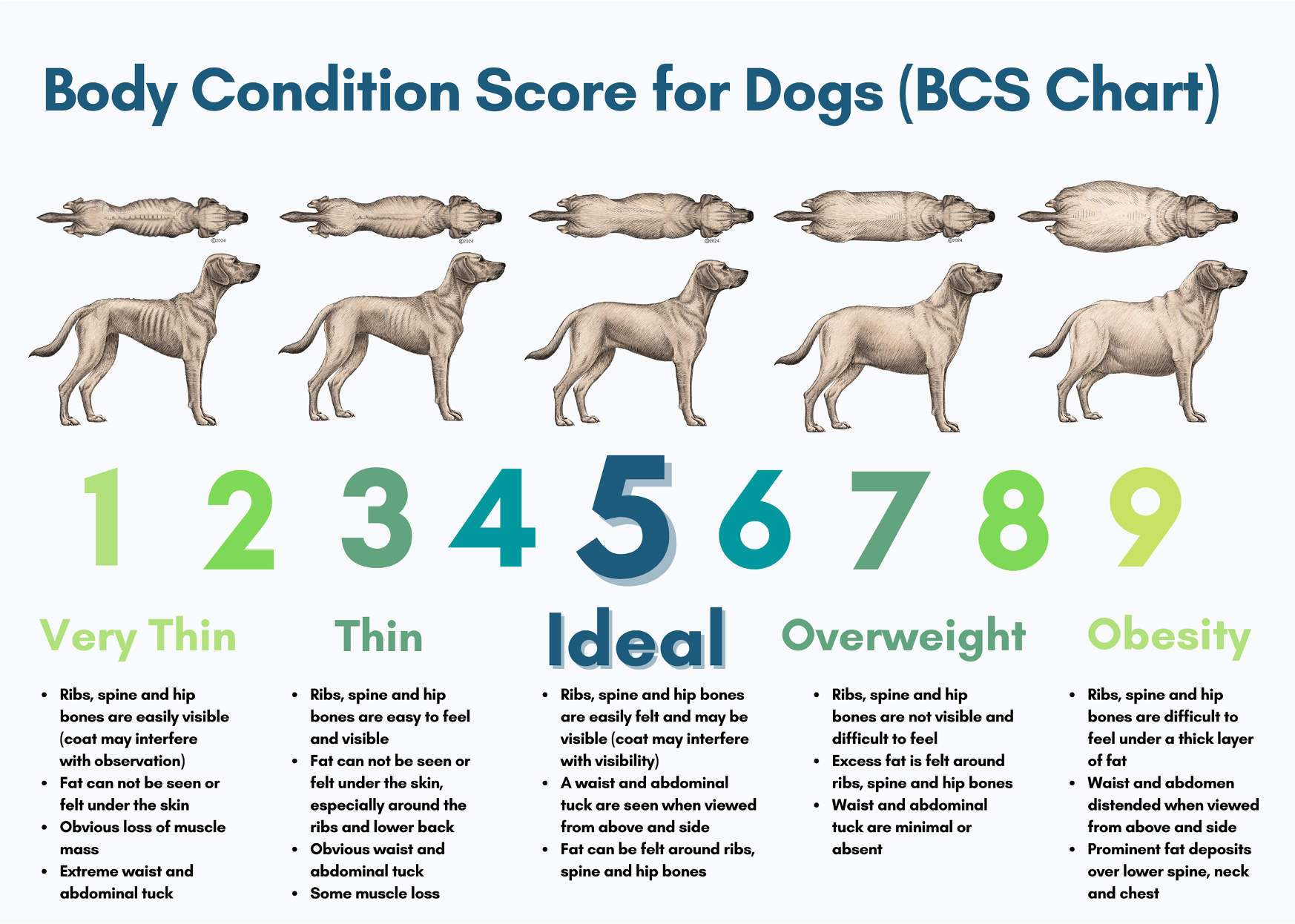
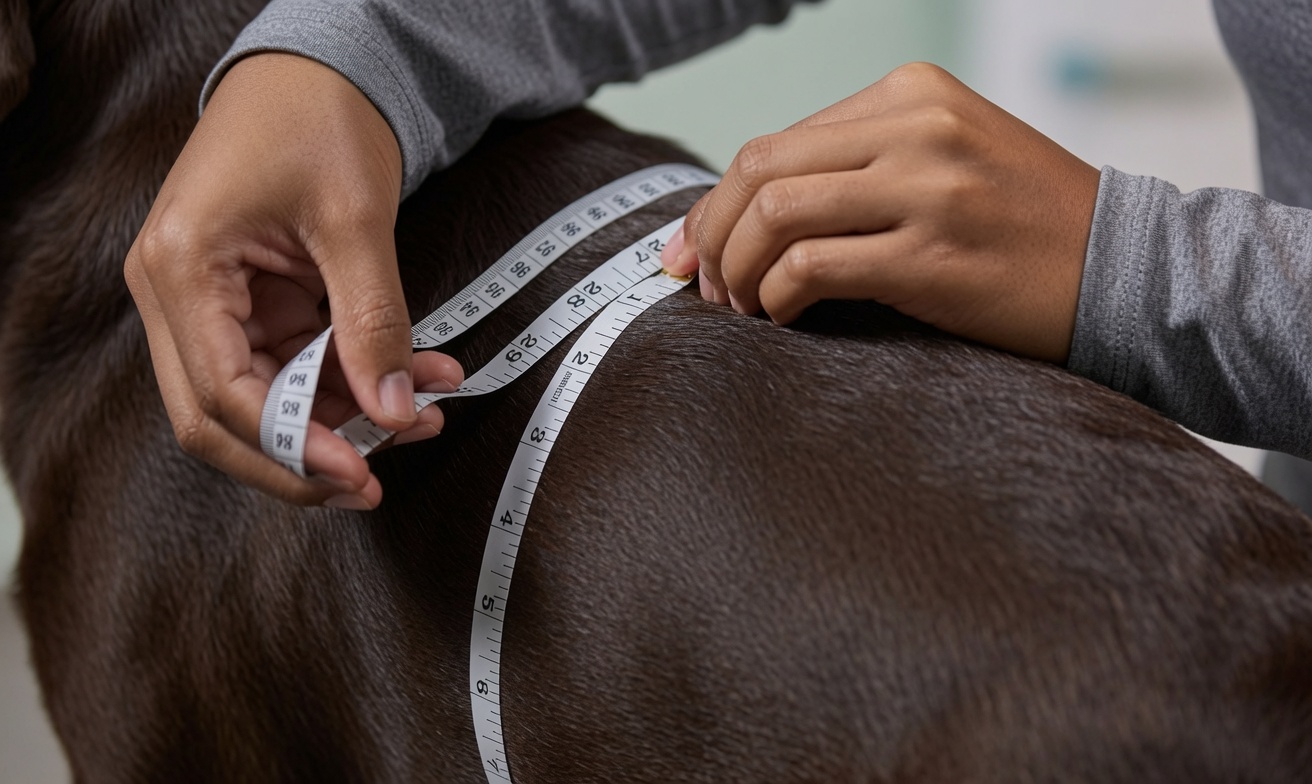
Measurements were straightforward and repeatable: body weight, a standard 9-point Body Condition Score (BCS), and tape measurements at multiple chest and abdominal sites plus one thigh site. Everything was done in triplicate for reliability.
What Changed (and What Stayed the Same)
Body weight remained stable across the group. That alone is interesting — many owners (and sometimes clinicians) expect the scale to drop when fat is lost.
Instead, the dogs experienced a clear redistribution of body composition:
• BCS improved significantly (moving closer to the ideal range).
• Chest and abdominal circumferences decreased in almost all dogs — indicating loss of fat around the trunk.
• Thigh circumference increased — a strong sign of muscle gain.
The longer-distance joggers tended to see more abdominal change, while shorter-distance dogs drove more of the chest reduction, but both groups benefited. The researchers noted this pattern points to fat loss paired with muscle building rather than simple overall weight reduction.
Why This Matters in Rehabilitation Practice
This study is a nice reminder that exercise is not just “calorie burning” — it actively supports muscle development while trimming fat stores. For our patients, that’s gold. More muscle means better joint support, improved proprioception, stronger core stability, and often better metabolic health long-term.
It also validates something many of us already do intuitively: involve the owner. When the human and dog exercise together, compliance tends to be higher and the human often becomes more invested in the dog’s overall condition.
Another practical takeaway is monitoring. The study reinforces that body weight alone is not enough to track progress during an exercise program. BCS is still essential, but adding simple, repeatable tape measurements at consistent landmarks (chest, abdomen, thigh) gives us objective data on whether we’re seeing the fat-to-muscle shift we want.
A Few Important Caveats
The dogs in this study were mostly normal weight to only mildly overweight — not the substantially overweight patients we sometimes see. There was no control group, and food intake wasn’t strictly measured. As well, it would appear that all of the owners in the study were capable of jogging. (I had a university professor once look at the structure and angle of my legs, and flat out told me “Your body is not meant to run. Don't run.”) Still, the direction of change is clear and biologically makes sense: consistent aerobic + resistance work builds muscle and reduces fat even without dieting.
Bottom Line for Your Practice
This research gives us another evidence-based reason to prescribe structured, progressive exercise programs — especially when combined with the other tools in our rehab toolbox when needed.
For dogs who are only mildly overweight or who need to maintain muscle while they slim down, an owner-led jogging + strength program like the one studied here can be an inspired starting point or complement to more formal rehab sessions.
I love seeing studies like this that bridge the gap between “we should exercise our dogs more” and measurable, positive changes in body composition. It reinforces what we already know from clinical experience: movement is medicine — and when done thoughtfully, it reshapes more than just the scale.
Have you incorporated owner-led jogging or circuit work into your rehab plans? I’d love to hear what protocols or progress-monitoring tricks have worked well in your practice.
Reference
Söder J, Roman E, Berndtsson J, Lindroth K, Bergh A. Effects of a physical exercise programme on bodyweight, body condition score and chest, abdominal and thigh circumferences in dogs. BMC Vet Res. 2024;20:299. https://doi.org/10.1186/s12917-024-04135-3
Keep moving those patients (and their humans)!