Laurie's Blogs.

Jun 2026
Low-Level Laser Therapy Can Help Tame Certain Inflammation Signals in the Body
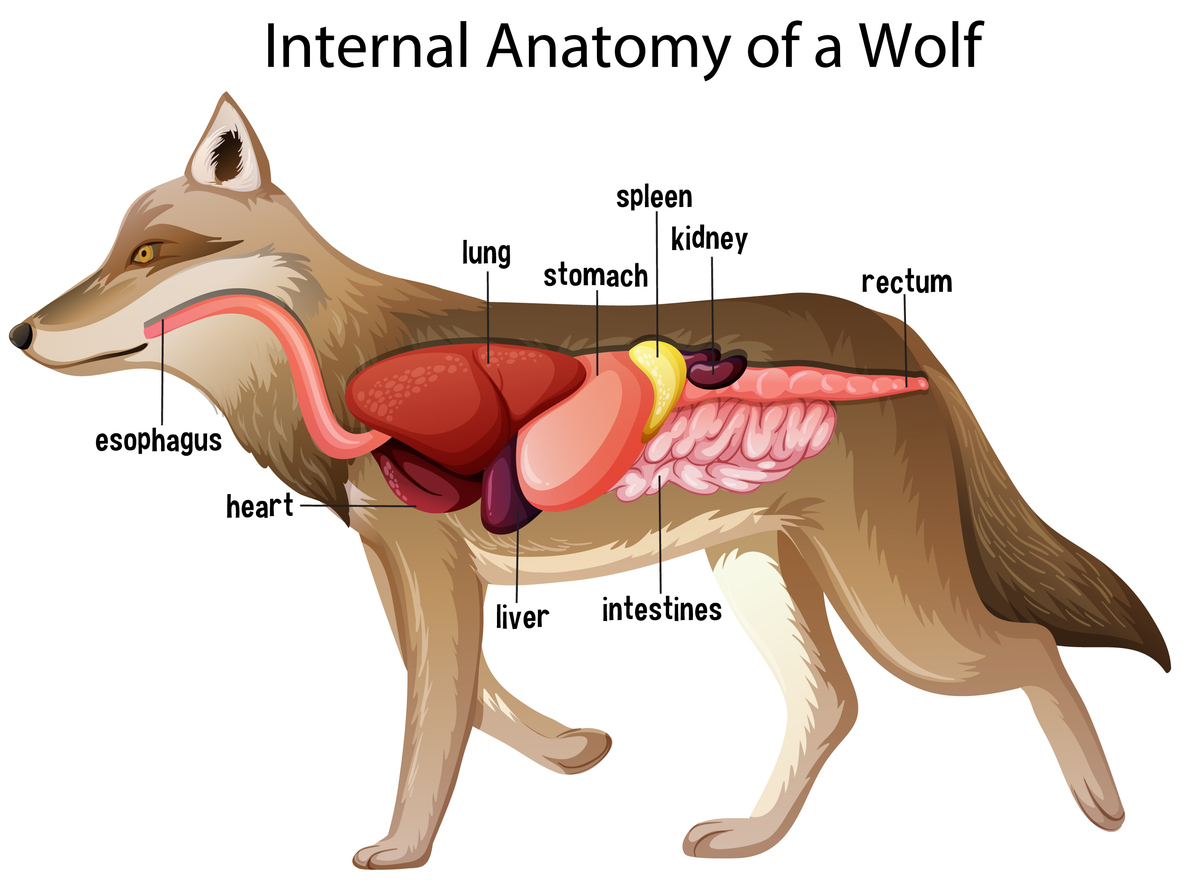
A 2013 study explored whether infrared low-level laser therapy can influence the body’s inflammatory response after injury or surgery.
What They Did
• The researchers created a controlled surgical wound in the mice (a “sham” group had the surgery but no laser; a “laser” group had the surgery plus laser treatment).
• The laser used was an infrared diode laser (780 nm wavelength) applied at specific points near the wound area at different times after surgery.
• After the mice were humanely euthanized at set time points, researchers isolated mononuclear cells from the spleen (as a way to assess the immune system and regulation systemic inflammation) and grew them in the lab for 48 hours. They then measured cytokines produced by these spleen cells.
Key Findings
• The laser treatment reduced the release of two important pro-inflammatory cytokines (TNF-α and IFN-γ) from the spleen cells, especially when given in two sessions. This suggests it helped dial down excessive inflammation signals produced by the spleen.
• It did not significantly affect IL-6 (another pro-inflammatory signal) or TGF-β1 (an anti-inflammatory signal).
• The effect on spleen cell cytokine production was most noticeable around 60 hours after surgery.
Bottom Line for Everyday Understanding
This study shows that low-level laser therapy can gently modulate the immune response by lowering certain inflammation-promoting chemicals produced by cells in the spleen—without broadly suppressing the healing process. By influencing spleen mononuclear cells, the therapy appears to help calm systemic inflammation after injury or surgery. This could potentially lead to less pain and faster recovery in people too.
The results support using targeted laser treatments as a helpful add-on in rehabilitation and wound care, though more human studies are always needed to confirm the best timing and doses.
Laurie’s Note:
Based on the book – The Great Nerve, by Dr. Kevin J Tracey, MD – and my n = 1 trial. I plan on testing my ‘direct laser to the spleen’ treatment whenever I can!
Reference:
Fukuda TY, Tanji MM, Silva SR, Sato MN, Plapler H. Infrared low-level diode laser on inflammatory process modulation in mice: pro- and anti-inflammatory cytokines. Lasers Med Sci. 2013 Sep;28(5):1305-13.