Laurie's Blogs.

Feb 2026
PRP Combined with Physical Therapy Outperforms PRP Alone for Canine Hip Osteoarthritis
A study published in Animals (2020) objectively compared intraarticular platelet-rich plasma (PRP) injections alone versus PRP combined with physical therapy (PT) in 24 client-owned dogs with bilateral osteoarthritis (OA) secondary to hip dysplasia. All dogs weighed >30 kg, exhibited grade 3-4 lameness, and had radiographic confirmation of moderate-to-severe OA (e.g., subchondral sclerosis, osteophytes, joint space narrowing). Exclusion criteria included other pathologies, verified via clinical exam, hematology, biochemistry, endocrine, and serology panels.
Methods
Dogs were divided into two groups (n=12 each):
- PRP group: Single bilateral intraarticular injection of 2 mL plasma rich in growth factors (PRGF, a leukocyte-poor PRP variant with moderate platelet concentration). PRGF was prepared via centrifugation of autologous blood (460×g for 8 min), activated with 5% calcium chloride, and administered via arthrocentesis.
- PRP + PT group: Same PRP protocol plus a daily at-home PT program tailored to individual progress, aimed at enhancing joint range of motion, hindlimb strength, and endurance. The program included:
• Warm-up: 5 minutes slow walking on a straight, horizontal surface.
• Sit-to-stand repetitions: 15 times.
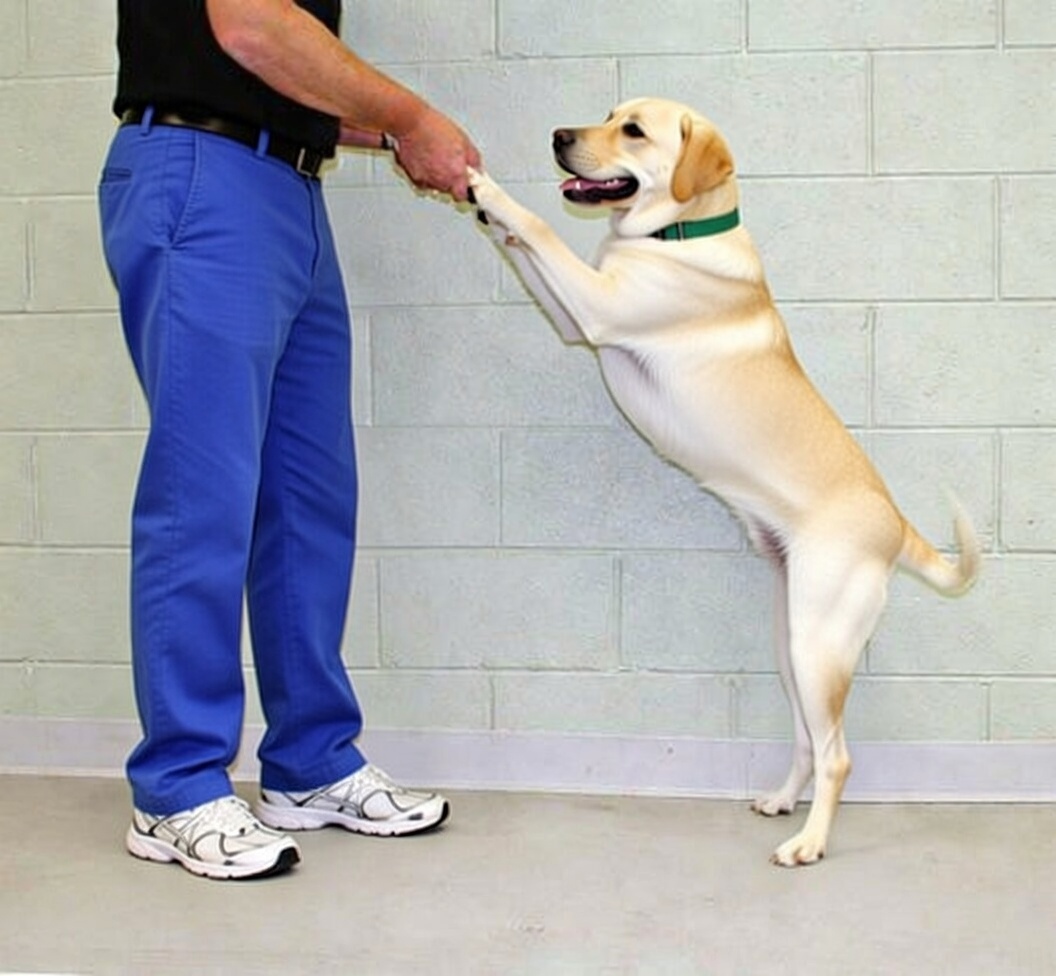
• Dancing exercises: 5 minutes with forelimbs elevated, moving the dog forward and backward.
• Incline walking: 10 minutes at a regular pace.
• Cool-down: 5 minutes slow walking on a straight, horizontal surface. PT was performed once daily and continued through the 180-day study period.
Limb function was assessed using a force platform at baseline and 30, 90, and 180 days post-treatment. Key metrics: peak vertical force (PVF) and vertical impulse (VI), normalized to body weight, captured during walking over a 7m runway at consistent velocity (three valid trials per limb).
Results
Both groups showed significant improvements in PVF and VI at 30, 90, and 180 days compared to baseline (p<0.05). However, the PRP group exhibited a decline in values at 180 days relative to 90 days, indicating waning efficacy. In contrast, the PRP + PT group maintained peak improvements through 180 days, with no significant drop-off.
No adverse effects were reported from PRP or PT.
Implications
The findings demonstrate that while PRP alone provides short-term functional gains (up to ~90 days), combining it with a structured PT regimen—emphasizing progressive loading and mobility—extends efficacy beyond 180 days without increasing peak benefits. This supports multimodal approaches for managing canine hip OA, particularly in large-breed dogs. Future studies should explore long-term (>180 days) outcomes and PRP dosing variations.
Laurie’s thoughts:
How I would rephrase the implications and discussion regarding the outcomes of this paper would be more along the lines of, “If you do a procedure intended to minimize pain, you need to capitalize on that period of pain reduction in order to build muscle and function to maintain the improvement thusly gained.” In my undeniably biased opinion, this should hold true for any orthopedic or neurologic procedure.
What do I think of the home exercise program that they deemed ‘Physical Therapy’? Firstly, please don’t call a home program, ‘physical therapy’. It devalues what we do. Secondly, sit to stand is an exercise with which, dogs can easily cheat. If they’ve had hip pain for a while, they have likely learned to pull themselves up to sit more than push themselves to a sit. Hill walking for 10 minutes might not be a practical exercise to prescribe for many owners (especially if hills are sparse, and owner fitness and physical issues are factored in). So, I would have changed the home exercise program, and if the dogs were available for in-person ‘real’ physical therapy, I would have added other exercises. Now, that being said, some part of what was prescribed in this paper, made a difference. We have to give credit where credit is due! It’s great to see papers coming out and validating what we know to be true already!
Reference:
Cuervo B, Rubio M, Chicharro D, Damiá E, Santana A, Carrillo JM, Romero AD, Vilar JM, Cerón JJ, Sopena JJ. Objective Comparison between Platelet Rich Plasma Alone and in Combination with Physical Therapy in Dogs with Osteoarthritis Caused by Hip Dysplasia. Animals (Basel). 2020 Jan 21;10(2):175.