Laurie's Blogs.

Dec 2025
The Yo-Yo of Iliopsoas Recovery in Sporting Dogs
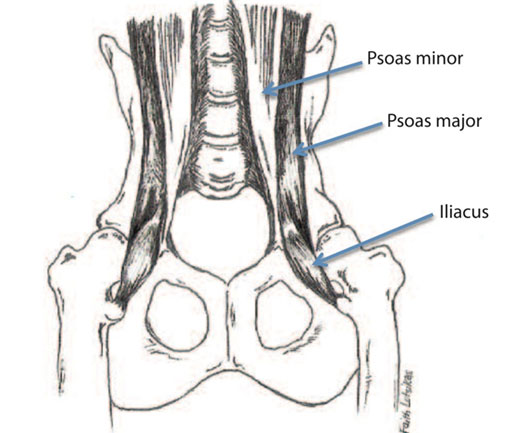
Picture From: https://www.twohandsfourpaws.com/services/dogs/blog/iliopsoas-myopathy
In my clinical practice, I see patterns emerge over time—certain injuries that crop up repeatedly, especially in high-drive sporting dogs. Last week, I treated two dogs with recurrent on-again, off-again iliopsoas pain. Both had similar stories: they'd been moving soundly, no signs of lameness, and then their owners resumed their regular sporting activities or training — and boom, lameness returned.
This isn't uncommon. It's an issue that comes up amongst other therapists too. The iliopsoas muscle—a key hip flexor connecting the lumbar spine and pelvis to the femur—is prone to strain in athletic dogs due to explosive movements, sudden stops, tight turns, and jumps.
Why Does This Keep Happening?
Owners of sporting dogs often have that competitive drive—they're eager to get back to training and events. It's understandable, but it frequently leads to pushing the dog a bit faster or further than recommended. Sometimes, this "push" results in a set-back, and that set-back helps highlight the need for a slower, more progressive rehab plan with additional steps between soundness and full activity.
I often reflect on my own role: Did I provide clear enough guidance? Structured timelines can help, but they're not always precise—healing rates vary, and even when I think a dog is ready, surprises happen. Over the years, I've come to accept (and almost expect) this "yo-yoing" in iliopsoas recoveries. Whether from owner optimism or my own, rushing the return to sport can set us back.
The key lesson? Rehabilitation isn't just about rest, stretching, and basic strengthening. For sporting dogs, we must specifically train burst activities: sudden muscle lengthening, eccentric contractions, and powerful concentric contractions to prepare the iliopsoas for real-world demands.
My Current Top 5 Exercises for Non-Acute Iliopsoas Rehab
These are targeted for dogs past the acute pain phase, focusing on controlled sudden stretching, eccentric loading, and dynamic strengthening. Caveat… because I don’t know who all reads my blogs: Always consult a vet or rehab professional before starting, and progress gradually.
Front Paws Elevated Iliopsoas Stretch
Place your dog's front paws on a stable elevated surface (e.g., a low step or platform). This extends the hips, purposefully stretches the iliopsoas.
Rear Paws Elevated with Forward/Downward Reach
Elevate the rear paws onto a low bench or step and lure the dog to reach forward and down for a treat. This stretches the iliopsoas while promoting eccentric control as they extend outwards. Bonus is that coming back to the start position is a concentric contraction.
Demo video: https://youtu.be/lqC0E0j4o-4
Tug of War
Controlled tugging provides strong iliopsoas contractions.
Short Retrieves Progressing to Longer Ones
Start with very short (6 – 10 feet), straight-line throws and gradually increase distance and intensity. This builds dynamic control and power.
Demo Video: https://youtu.be/YxszFU5SzgQ
Pop-Ups (New Favorite!)
Encourage the dog to quickly place front paws on an elevated surface (like a low platform or edge of the bed) without fully jumping up. Great for dogs who yelp when jumping into vehicles—trains explosive yet controlled hip extension.
Demo video: https://youtu.be/Hn74uzR42pM
Sharing these thoughts isn't just for you—it's a reminder for myself too. Patience, progression, and sport-specific prep are crucial to breaking the recurrence cycle. I hope this helps you with your next iliopsoas strain patient!
Until next time,
Cheers!
Laurie